All Categories
Featured
SOCAL Green Reporting for CRE Owners
Table of Contents
This consists of data and stats on industry market share concentration, barriers to entry, replacement products and purchaser & supplier power. Concerns responded to in this chapter include what affects the industry's market share concentration, how do effective businesses handle concentration, what challenges do possible market entrants face, how can possible entrants get rid of barriers to entry, what are alternative to industry services, how do effective services take on alternatives and what power do buyers and suppliers have more than the market and how do effective services manage purchaser & provider power.
This consists of data and analysis on business running in the market that hold a market share greater than 5%. Questions answered in this chapter include what business have a meaningful market share and how each company is performing. The External Environment chapter covers Key Takeaways, External Drivers, Regulation & Policy and Help in the Landscaping Services industry in the United States.
Questions responded to in this chapter include what demographic and macroeconomic factors impact the industry, what regulations impact the industry, what support is readily available to this industry. The Financial Benchmarks chapter covers Secret Takeaways, Cost Structure, Financial Ratios, Appraisal Multiples and Key Ratios in the Landscaping Services industry in the United States.
Landscaper Map DirectionsConcerns addressed in this chapter include what patterns impact market expenses and how financial ratios have altered overtime. The Market Data chapter consists of 10 years of historical information with 5 years of projection data covering data like revenue, industry worth include, establishments, business, employment and wages in the Landscaping Services industry in the United States.
Landscaper Map DirectionsOptimizing SOCAL Regional Centers for Sustainability
In our brand-new,, we take a look at today's business landscape and how ESG has actually emerged as a vital consideration, especially for mid-market enterprises. Companies are facing installing pressures from regulators, clients, financiers, and different stakeholders, all of whom are progressively concentrated on the collection and disclosure of ESG data.
Here, business leaders find themselves tasked with attending to the increasing demand for sustainability information while starting the challenging journey of developing comprehensive ESG programs from scratch. Our new deals valuable insights into market characteristics around ESG, climate & sustainability. Access the study to uncover valuable insights into the US mid-market, informed from the viewpoint of 100 C-suite staff members and sustainability leaders at mid-market United States companies.
The research study was carried out in August 2023 with companies throughout 17 sectors to offer an industry-agnostic view of management views on ESG. The ESG Trends Study is a yearly research effort by Get Good Laboratory designed to capture the most current insights, obstacles, and emerging trends throughout Environmental, Social, and Governance (ESG) practices.
The survey is perfect for sustainability leaders, ESG experts, corporate executives, and impact-focused decision-makers across industries. Whether your organization is simply beginning or advancing its ESG journey, your input adds worth to the broader community. All survey actions are anonymized and aggregated to produce a comprehensive report on ESG patterns.
Participation in the survey is totally complimentary. As soon as the study closes, Get Great Laboratory will release a summary report of the crucial findings, which will be offered to all individuals and subscribers at no expense. You can register on this page to be alerted when the full survey report is released.
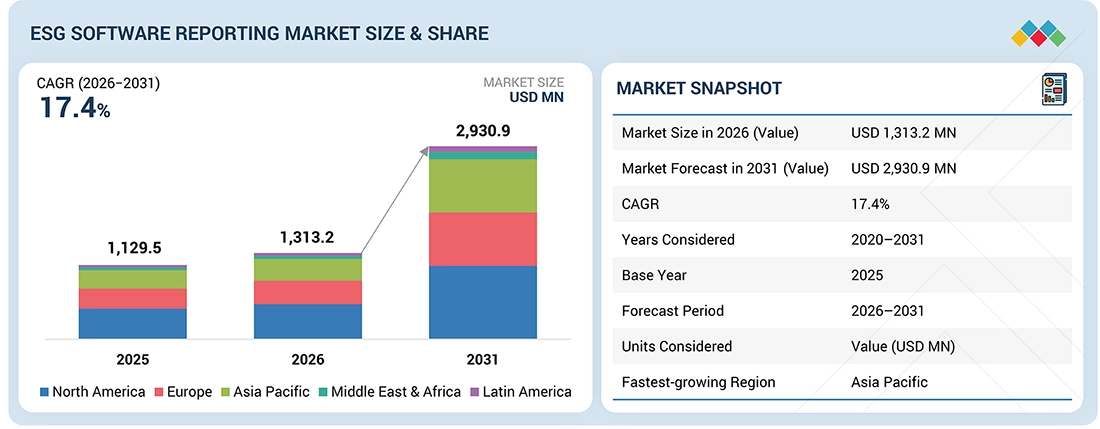
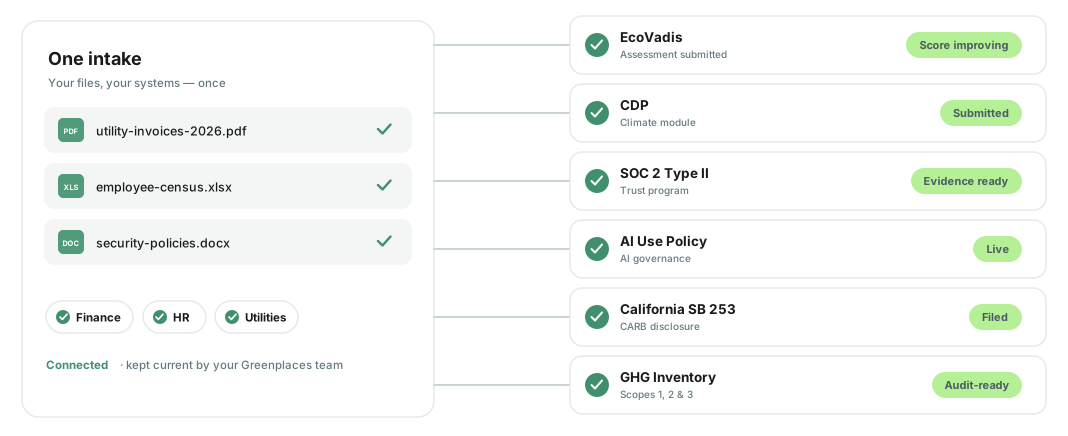
The ESG reporting market is entering a less ideological and more operational phase. The question in 2026 is no longer whether sustainability disclosure will matter. It is which frameworks will really shape reporting, assurance, enforcement, and information architecture over the next 18 months. The answer is clear enough now to direct technique: the reporting stack is combining around a few big anchors, however it is likewise ending up being more regional, more guaranteed, more digital, and more enforcement-sensitive.
Scaling Water-Efficient Landscaping in SOCAL
They are years for upgrading reporting systems so that one underlying data design can serve numerous programs. The most significant structural shift is the continued rise of the ISSB structure as the international investor-oriented baseline. In June 2025, the IFRS Foundation stated 36 jurisdictions had actually embraced or otherwise used ISSB Standards, or remained in the process of settling actions to present them into regulation.

Table of Contents
Latest Posts

How to Manage Storm Risks in Dense Urban Environments
Protecting Assets during Severe Southern California Weather Events

How to Convert to Drought-Tolerant Planting Efficiently
Latest Posts
How to Manage Storm Risks in Dense Urban Environments
Protecting Assets during Severe Southern California Weather Events
How to Convert to Drought-Tolerant Planting Efficiently